
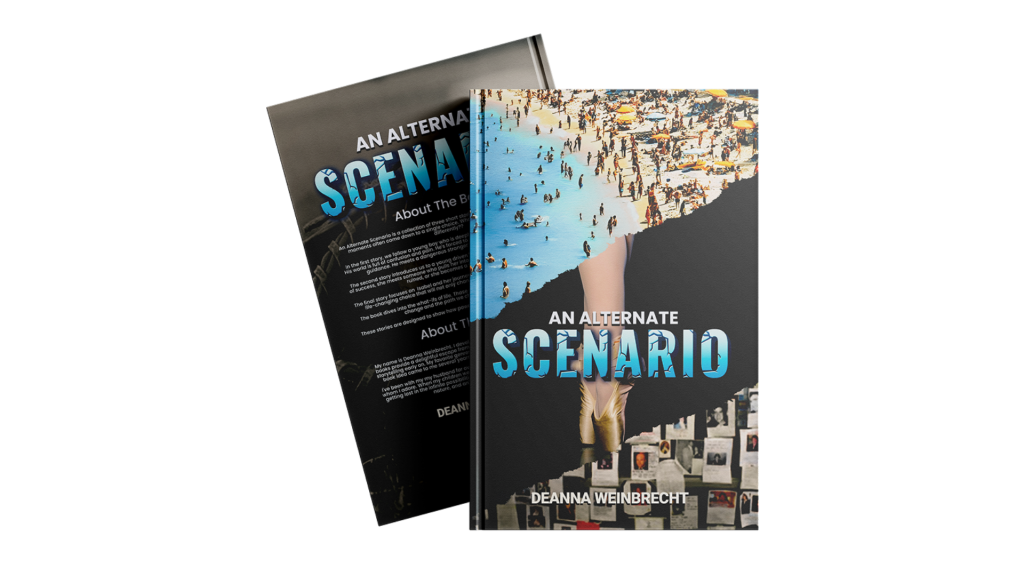
Fictional Books bring in behavior to fantasy and emotional reality. Since the very first page, stories are inviting people to live in worlds. They affect attitudes, beliefs and decisions. Thus, authors have an influential responsibility. They lead the readers on the path of hope, fear, and revelation. This blog describes the depth of the storytelling and psyche of meaningful fiction. Besides, it is directed at passion, creativity, and purpose. You will be able to see how an idea can become a story and have a long-lasting experience. Moreover, you will find out the reason why fiction is eternal. That is what this behind the pen journey shows us: dedication, vision and the mad love that makes creates that unforgettable stories.
Fictional Books and the Story-Telling Technique
Fictional Books have defined cultures over the centuries. Through books, readers are able to forget about reality and know more about the deeper truths. They bring some solace in tough situations. They also create power of courage and empathy. Consequently, readers identify with characters and their ailments. In addition to this, narratives make individuals learn about various lives and feelings. Imagination is used by writers to mirror the actual human experiences. As such, fiction is unreal and real. The balance makes the readers active. Moreover, narratives develop emotional intelligence. It enhances innovation and concentration. Fiction goes beyond entertainment through good storytelling. It transforms into an experience that is common to people who span different generations.
The Smart Person Behind the Text
Any author starts with interest. Ideas often start small. Then gradually they develop into full tales. Creativity is time-consuming and is subject to contemplation. Thus, authors are watching other individuals, feelings, and decisions. They transform ordinary scenes into significant scenes. Furthermore, fantasy commingles with discipline. Text must also be organized and regular. Consequently, narrations are more elaborate and understandable. This is how many popular Fictional Books come to pass due to their authors remaining faithful to their vision. They correct, perfect and reword all their lines. Moreover, they acknowledge development by comments. Such innovative thinking forms true tales, which pass heart and soul to all readers across the globe.
The way Characters Make Fictional Books Real
Fiction begins and ends with characters. Readers relate in terms of emotions and choice. Powerful characters are magical and fallible. As a result, their travels are not in vain. Authors present them with desires, fears and struggles. Consequently, readers can observe aspects of themselves. Besides, realistic characters propel the story. They cause conflict and denouement. Characters develop naturally, a feature that makes many best fictional books successful. They learn from mistakes. They face consequences. Moreover, development of characters ensures that the reader remains interested. In the absence of good characters, tales are hollow. Therefore, authors especially pay much attention to the development of character to produce a memorable emotional touch.
Construction Worlds Readers Believe In
Setting shapes every story. It generates expression and feeling. Authors create every world with great attention. They select information that favors the tone of the story. Thus, the readers are immersed. Some real or imaginary worlds should be consistent. Additionally, sensory descriptions are realistic. Colors, sounds and textures are important. Most popular fiction books employ descriptive settings to enhance interest. They move readers to the full. Moreover, there is good world-building that justifies character behaviors. It describes decisions and dilemmas. Readers forget the reality when it is executed properly. They live inside the story. This is the kind of unforgettable fiction experiences.
The Fictional Bestselling Books: Emotion, the Essence
Emotion drives connection. The success of Fictional Books lies in their ability to cause a real emotion in the reader. Happiness, sadness, fear and hope are important. Authors discover emotional reality through the scenes and dialogue. Thus, the reaction of the readers is automatic. Besides, emotional honesty creates trust. It keeps stories authentic. We have several best fictional books that have been remembered due to richness of emotion. They remain in the mind even after reading. Moreover, emotion dictates the speed and tension. It guides the reader through its path. Stories are single-dimensional without emotion. Therefore, authors emphasize on emotive appeal in order to establish purposeful fiction.
The Training of Reading and Writing
Writing requires routine. It cannot be manufactured by simple inspiration. Authors form habits to remain prolific. Hence, discipline encourages creativity. The practice of writing enhances the talent of writing hands-on. It enhances the ability to perceive and trust. In addition, editing is relevant. Authors keep revising in order to enhance form and rhythm. There are a great number of popular fiction books, and authors do not give up. They draft even when they are not motivated. Besides, discipline assists in achieving objectives. It builds momentum and focus. Over time, effort compounds. Such commitment is what draws the line between amateur writing and bestselling prose writing.
Conclusion
To conclude, Fictional Books are potent since they have the force of cross-linking imagination and truth. They are an expression of the human life and feelings. Discipline, creativity and empathy are used by writers to build up stories to form a difference. These tales are the companion of the globally popular fiction books. They are also remembered by being listed as the best fictional books. Fiction amuses, educates and cures. It challenges the readers to stop and contemplate. Passion and purpose is behind every great story. Fiction will keep being inspirational to the mind, touching the heart and sending readers into endless worlds of meaning and wonder as long as tales abound.